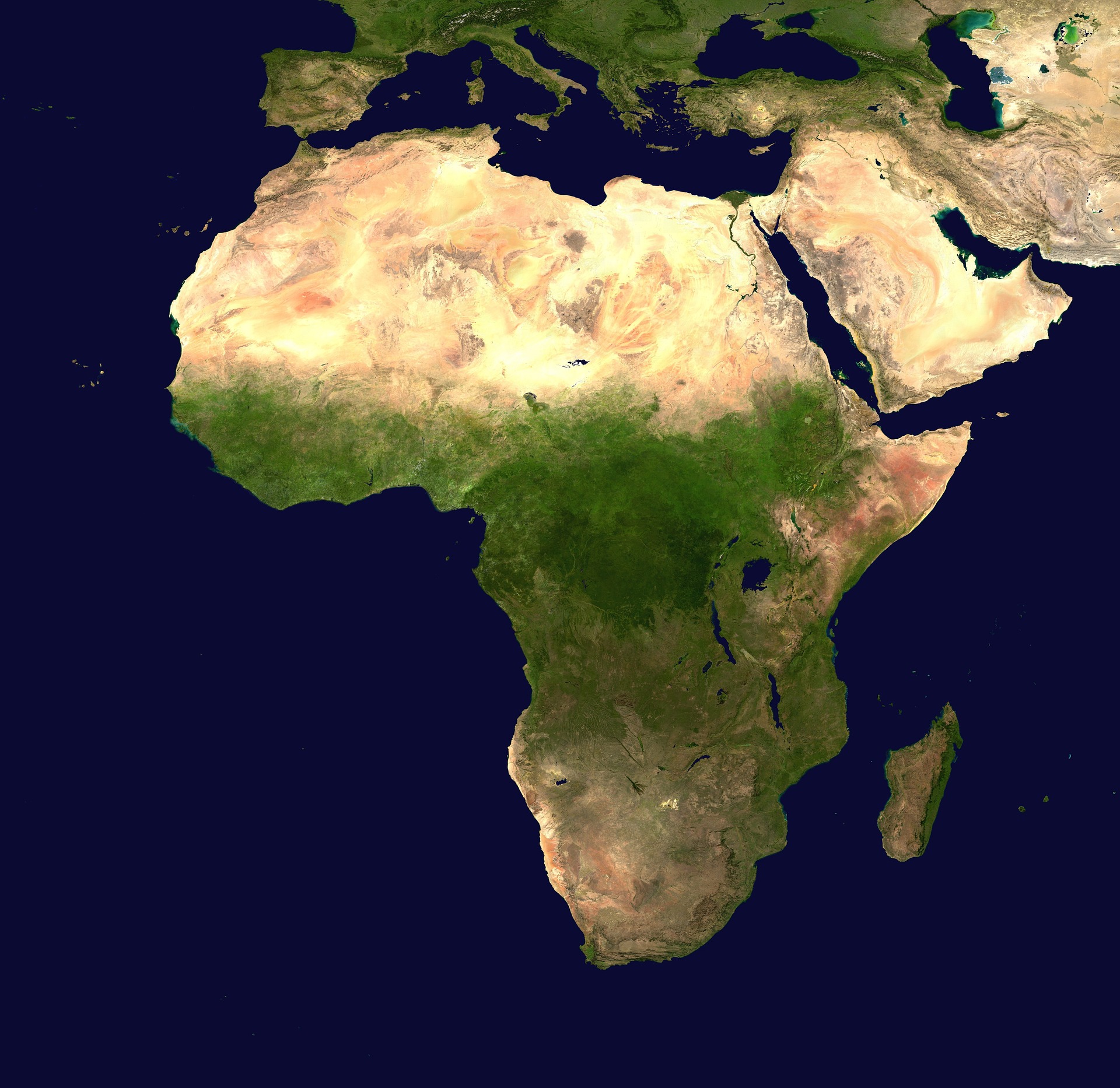
As I carried out the research for this piece, I realized that the situation of having fleeting policy creation around mental health was not peculiar to my country alone. It appears that mental health was a neglected issue around Africa. Attempts at creating governmental policies that are targeted at mental health seem defeated. It is like every trial to make solid policies in this regard will walk down the aisle to being discarded. This calls for worry.
The mental health system in Africa is almost non-existent despite that cases of mental illnesses are prevalent and remain on the rise. Nigerians have experienced several incidences of attempted suicides in the past one year. Depression and anxiety are taking a toll on people. Yet, nothing is being done about this. If you are lucky, mental health is somewhat personal.
Chronic cases of mental illnesses are stigmatized. There are only 250 psychiatrists in Nigeria despite its population of 200 million with 60 million people living with mental illness. There are 35 psychiatrists in Ethiopia serving its population of 112 million. In Sierra Leone, the rate of people who go without treatment for mental health is as high as 98.8%. This is a reoccurring decimal around the continent with Nigeria’s treatment gap standing at 90%. Visits to outpatient facility for mental health care are higher in Africa than other parts of the world. This situation calls for immediate action.

Although mental health is seen as a taboo by the ordinary people, it has taken a 360 degree turn and has become more common than you think. Mild cases are on the rise with the victims having no idea that they have a mental health problem. When you are unable to function properly in a social setting and you have a dependence on some external factor to keep you emotionally balanced, you might be having a mental health problem. This manifests today in Nigeria in the form of over reliance on social media. People cannot have a good day without going online. Lots of people experience a loneliness that they hope to cure by the imaginary close connection and the sensation of physical presence that they have with the people on the screens of their mobile phones. Mental health might indeed be taking a 360 degree turn around the world and manifesting itself as FOMO.

Regardless of what form mental illness takes, there is very little facility to properly treat it in Nigeria and any treatment available is reserved for more chronic forms. This is the case in other African countries too. There is a change in the status quo but this change is gradual. Nonprofit organizations are beginning to spring up to correct the situation and listen to people who need to unload their emotional burdens. There have also been mental health interventions in form of randomized controlled trials such as group interpersonal therapy in Uganda, “Friendship Benches” in Zimbabwe and counseling sessions held on Twitter and WhatsApp in Nigeria. It seems that most of the mental health care in Africa is community based and plagued with scarcity of trained personnel. While any attempt at mental health care at all is commendable, a lot would change if the Government allots more recognition to mental health issues and passes bills into law that advocate proper treatment, national budgeting and prevention in line with the many facets that mental illness has today.
Whether mental health is chronic or mild, everyone experiencing it deserves a system that listens to them and that unburdens them. A lot of people in Nigeria have stories to tell about what change a shoulder made available at the right time would have created in their lives. Many mentally ill people in Africa usually turn out okay on their own but the process of living would have been more enjoyable for all these people if there was a concrete mental health system in place. I think it’s time we ditched the neglect and took more responsibility. It’s time to be bold for change.
This piece was published on Aspire2’s digital magazine for World Mental Health Day 2019 and is being republished in celebration of Mental Health Awareness Month 2026!